3D Volumetric Dental Tomography is an advanced radiological
imaging method used to scan the mouth, jaw, and teeth in three
dimensions and provide detailed images. This technology, which
uses X-rays, goes beyond traditional panoramic X-rays, providing
high-resolution, cross-sectional information about bone
structures and soft tissues.
This system allows images to be taken in the axial, sagittal,
and coronal planes and digitally reconstructed using
computer-aided software. This allows detailed examination of the
oral and jaw structures from any desired angle and level.
Position analysis and extraction planning of impacted teeth
Wisdom tooth operations
Preliminary preparation for orthognathic surgery and jaw
surgery
Bone density and volume measurement in dental implant
applications
Localization of jaw cysts and tumors
Detailed imaging of sinus cavities and surrounding
anatomical structures
Evaluation of traumatic fractures and bone defects
How is a 3D Dental Tomography Taken?
No special preparation is required for the patient before the
scan. Once the patient is properly positioned in the CT scanner,
the procedure begins quickly. First, a two-dimensional reference
image is taken, then a 3D scan is performed to precisely define
the target area. The entire procedure is completed within a few
minutes.
The three-dimensional data obtained is sliced by software, made
measurable, and recorded by converting it into a report format
that the physician can use to diagnose.
What is the Radiation Dose?
Modern 3D dental CT scanners operate with very low radiation
doses. Contrary to popular belief, a single 3D CT scan often
contains less radiation than a two-dimensional panoramic X-ray.
This makes it a safe and frequently used diagnostic tool.
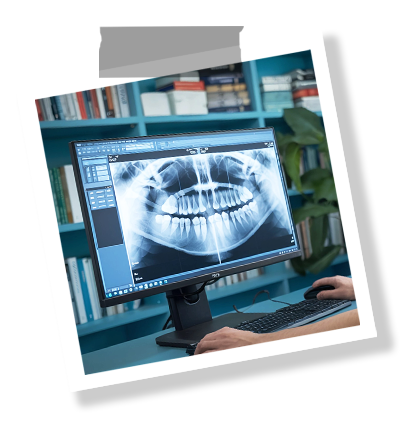
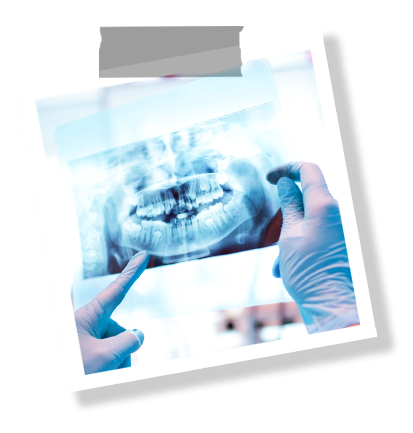
What is the difference from traditional dental x-rays?
While traditional dental X-rays provide only two-dimensional
images, 3D volumetric tomography allows for three-dimensional
analysis of tissue and bone in millimetric slices. This allows
for highly precise assessment of areas such as jawbone
thickness, sinus structure, tooth roots, and airways.
The in-depth knowledge he provides, especially in implants,
surgical operations, pre-root canal treatment and complicated
cases, forms the basis of a successful treatment process.