whatsapp-icon

What is a Dental Filling?

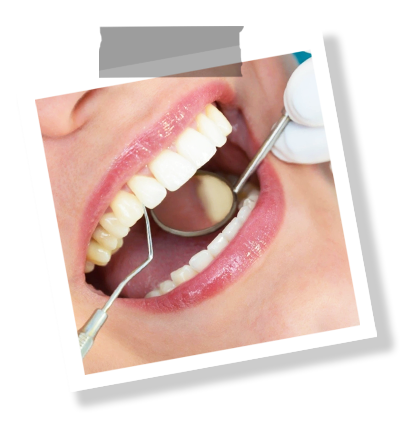
A dental filling involves cleaning tooth tissue damaged by decay, fracture, or abrasion, and restoring the lost structure with specialized filling materials. The goal is to restore both the tooth's function and aesthetic appearance.

Contact Us
content-image-1
content-image-2
content-image-3
content-image-4

In Which Situations Is Filling Done?

In tissue losses caused by caries
In cases of fractures or cracks in the tooth
Tooth abrasions and enamel damage
Structural problems due to developmental disorders
In restorations for aesthetic purposes
content-image

Materials Used in Dental Fillings

The choice of filling material is determined by the patient's needs and aesthetic expectations:

Composite Fillings (White Fillings)

It is tooth colored and offers a natural look.
It is preferred for aesthetic purposes on the front surfaces of the teeth.
It is applied by light curing.
Completed in a single session
Long-lasting with gentle use

Amalgam Fillings (Metal Fillings)

Contains an alloy of silver, tin, copper and mercury
It is durable and long-lasting
It is generally preferred for back teeth.
Aesthetically limited
It is effective in deep caries and moist areas.

Porcelain Fillings (Inlay/Onlay/Endocrone)

Prepared with CAD/CAM technology
Offers high aesthetics and durability
It fits perfectly to the tooth and the risk of edge leakage is low.
It is the ideal solution for teeth with significant material loss.
content-image

How is a Dental Filling Applied?

  1. Dental examination and x-rays are taken if necessary.
  2. Decayed or damaged tissue is removed
  3. Filling material is selected
  4. The gap is filled with appropriate technique
  5. Height and closing are adjustable
  6. Finally, polishing and buffing process is done.

The procedure takes approximately 30–60 minutes. Local anesthesia may be applied if necessary.

Things to Consider After Filling

Avoid hard, sticky or staining foods for the first 24–48 hours.
If the filling height is felt, a physician's examination may be necessary.
Teeth should be brushed regularly and dental floss should be used.
A dental check-up every six months is recommended.

How Long Do Fillings Last?

Composite fillings: 5–7 years
Amalgam fillings: 10 years and above
Porcelain fillings: 10–15 years

Advantages of Dental Fillings

Stops the progression of caries
Prevents tooth extraction
Oral health and chewing function are preserved
Provides aesthetic integrity
Can be implemented in a short time, provides a long-term solution