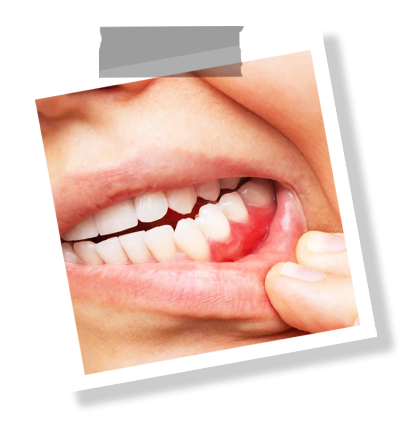
A gum transplant is an effective surgical treatment for advanced
gum recession. Exposing the root surfaces of teeth can pose both
aesthetic and health concerns. Over time, this can lead to
increased tooth sensitivity, decay, and even tooth loss. A gum
graft reconstructs the lost gum tissue, preserving the natural
appearance and health of the tooth.
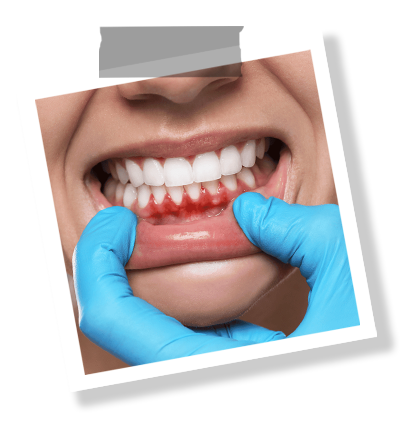
Gum recession is the exposure of the root surface of a tooth due
to the gum recession, which would normally cover it. This
condition is not only an aesthetic problem but also a serious
threat to dental health. The pocket-like spaces between the gum
and the tooth create an ideal environment for bacteria to take
hold. This can lead to problems such as infection, tartar
buildup, and bone loss.
What are the causes of receding gums?
Advanced periodontal diseases (gingivitis)
Genetic predisposition
Overly harsh or incorrect brushing techniques
Inadequate oral care
Hormonal changes (pregnancy, menopause, puberty)
Bruxism (teeth clenching or grinding)
Use of cigarettes and tobacco products
Having a piercing in the mouth (tongue or lip)
Symptoms of Receding Gum
Hot and cold sensitivity in teeth
Teeth appearing longer than they are
Redness and swelling at the gum line
Bleeding during brushing
Color change in the tooth root area
Bad breath and feeling of discomfort
How is a Gum Transplant Performed?
Gum graft procedures are planned differently depending on the
extent of the recession and the affected area. Before surgery,
any existing tooth decay, missing fillings, or sensitivity are
addressed first. Then, the gum transplant procedure is
performed.
The main methods applied are:
Free Graft Transplantation: A piece of healthy tissue taken
from the patient's palate is placed in the area where
recession is observed.
Adjacent Tissue Transfer: Healthy gum adjacent to the
recession area is transferred by transferring it to cover that
area.
Use of Artificial Grafts: Especially in patients where
sufficient tissue cannot be removed, biocompatible synthetic
graft materials can be used for coverage.
All these procedures are performed under local anesthesia and
the patient does not feel any pain during the procedure.
The Recovery Process and Things to Consider
Oral hygiene should be taken into account, and the
transplant area should be protected during brushing.
Very hot and cold foods should be avoided in the first days.
Soft foods should be consumed and pressure should be
avoided.
Antiseptic mouthwash or medications recommended by the
dentist should be used regularly.
Control sessions should not be interrupted.
Benefits of Gum Transplantation
Sensitivity decreases as root surfaces are closed
Gum aesthetics and symmetry are restored.
Prevents the progression of gingivitis
The risk of tooth loss is reduced
Oral hygiene becomes easier and brushing comfort increases.