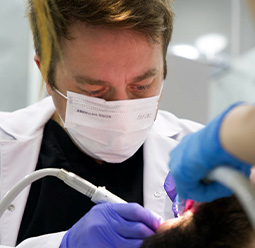
Periodontics is the branch of dentistry concerned with
maintaining the health of the tissues surrounding the teeth,
namely the gums and jawbone, and treating diseases that occur in
these areas. While the word "periodontal" means "the structure
surrounding the tooth," diseases in this area are generally
divided into two main groups: gingivitis (gum inflammation) and
periodontitis (advanced gum disease).
Systemic diseases such as stress, diabetes and hypertension
Malnutrition, obesity
Teeth clenching and grinding habits
Hormonal changes, certain medications (e.g., birth control
pills, antidepressants)
Symptoms of Gum Disease
Bleeding gums when brushing teeth or eating
Swelling, redness, tenderness in the gums
Constant bad breath
Receding gums, making teeth appear longer
Loosening or spacing of teeth
Pus coming from the gums
Difference Between Gingivitis and Periodontitis
Gingivitis is the first stage of gum disease. The gums become
inflamed, tender, and bleed easily. If left untreated, the
disease can progress to periodontitis. In this case, not only
the gums but also the bone tissue surrounding the tooth are
damaged. The gums separate from the tooth, creating deep pockets
that allow bacteria to accumulate. In the long term, this can
lead to tooth loss.
Preventing Gum Disease
Brushing teeth with the correct technique at least twice a
day
Use of dental floss and interdental brush
Antiseptic mouthwash support
Dental check-up every 6 months
Have professional dental tartar cleaning
Controlling systemic diseases that trigger plaque
accumulation
Why is tartar cleaning important?
Sensitivity to hot and cold for 2-3 days
Light bleeding
Antiseptic gargle and painkiller support when necessary